How Liposuction Farmington Hills Can Refine Your Silhouette
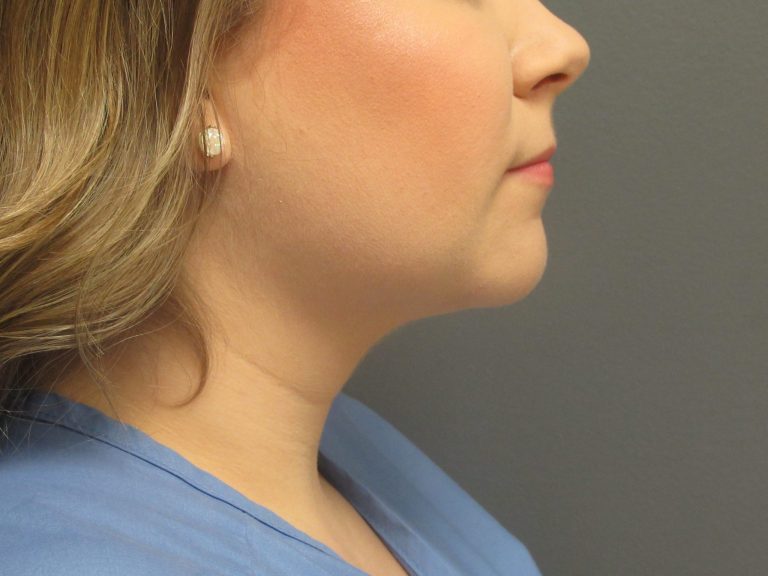
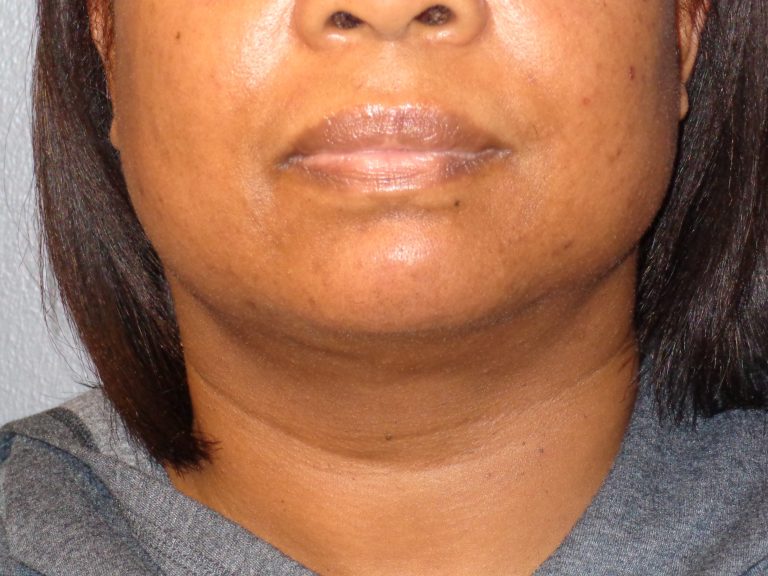
A slimmer silhouette rarely comes down to one number on a scale. Most people who explore liposuction are not chasing dramatic weight loss. They are trying to solve a more specific frustration, the pockets of fat that seem untouched by consistent workouts, thoughtful eating, and time. The lower abdomen that never quite smooths out after pregnancy. The flanks that make tailored clothing fit poorly. The fullness under the chin that softens the jawline no matter how lean the rest of the body becomes.
That is where liposuction can be useful. Done well, it is a contouring procedure, not a shortcut and not a blanket fix. It can reshape proportion, sharpen transitions between body areas, and make clothing fit in a way that feels more aligned with the work someone has already put into their health. For people considering Liposuction Farmington Hills, the real value is usually not just “looking smaller.” It is looking more balanced.
What liposuction actually changes
Liposuction removes localized fat deposits from selected areas of the body. Those areas often include the abdomen, flanks, thighs, back, upper arms, neck, and beneath the chin. The key idea is selectivity. This is not a metabolic treatment, and it does not improve fitness, muscle tone, or skin quality on its own. It changes shape by reducing volume in places where excess fat interrupts natural contour.
That distinction matters because expectations determine satisfaction. A patient may lose only a few pounds after surgery, yet look noticeably more refined in profile and in clothing. Another patient may expect a flat stomach from liposuction alone, when the real issue is skin laxity or separated abdominal muscles. In that second case, liposuction by itself may underdeliver.
Surgeons who perform body contouring regularly often describe the best results in visual rather than numerical terms. Waist definition becomes more apparent. The transition from the torso into the hip looks smoother. The under-chin area looks cleaner, which can make the whole face appear lighter and more structured. Those changes may sound subtle on paper, but they can have an outsized effect in real life.
Why certain areas resist diet and exercise
Fat distribution is not democratic. Genetics, hormones, age, and life events all influence where the body stores fat and how willing it is to release it. Anyone who has trained consistently has seen this firsthand. Two people can eat similarly, exercise similarly, and still carry weight in very different patterns.
This is especially common in a few situations. After pregnancy, the lower abdomen may hold onto fullness even when a patient returns to her usual weight. Men often notice stubborn fat at the flanks and lower abdomen. Women entering perimenopause may see shifts in fat storage around the midsection or bra line. Younger patients sometimes seek treatment for inherited fullness under the chin or around the outer thighs despite being otherwise lean.
Liposuction does not override biology across the entire body. It addresses the places where biology tends to be most stubborn.
Refining a silhouette, not recreating one
The phrase “refine your silhouette” is useful because it keeps the goal grounded. The best liposuction results preserve the patient’s natural anatomy while improving proportion. A talented surgeon is not trying to force everyone into the same look. The objective is harmony.
That might mean narrowing the waistline enough to bring out an existing hourglass shape. It might mean debulking the chest sidewall and upper abdomen so a male torso looks cleaner and more athletic. It could mean reducing fullness along the inner thighs so the legs look straighter and clothing fits more comfortably. In the neck, it may mean creating better separation between the chin and the upper neck, which often reads as more youthful and more energetic.
Subtlety is part of the craft. Over-resection can look unnatural. Under-resection can leave the patient wondering whether anything changed. The surgeon’s judgment matters at least as much as the technology used.
Who tends to be a good candidate
The strongest candidates are usually close to a stable weight, in good general health, and bothered by distinct areas of excess fat that do not respond the way the rest of their body does. Good skin elasticity improves the odds of a smooth result, because the skin needs to contract over the newly contoured area. That does not mean only very young patients qualify, but age, skin quality, and treatment area all influence planning.
There is also a mindset component. Patients who do best often understand three things before surgery. Liposuction Farmington HIlls First, liposuction is not a cure for loose skin. Second, some swelling and asymmetry are normal during healing. Third, refinement often looks more believable, and more elegant, than dramatic overcorrection.
A careful consultation should also screen for factors that can complicate recovery or outcome, such as nicotine use, uncontrolled medical conditions, major weight fluctuations, or unrealistic expectations. In practice, the consultation is not just about whether the procedure can be done. It is about whether it should be done, and whether it will actually solve the concern the patient is bringing in.
The role of skin quality, and why it changes the plan
Patients are sometimes surprised to learn that fat is only part of the contour equation. Skin quality can be equally important. If the skin has good recoil, removing fat often reveals a tighter, cleaner shape. If the skin is very lax, taking out fat may not create the polished result the patient imagines.
This is where experience shows. A patient in her early thirties with firm abdominal skin and moderate flank fullness may do beautifully with liposuction alone. A patient in her late forties with stretched abdominal skin after multiple pregnancies may need a different conversation. In that case, liposuction could still help, but it may need to be combined with another procedure, such as an abdominoplasty, to address loose skin and muscle separation. Treating the fat without acknowledging the skin would be incomplete planning.
The neck is another area where this judgment matters. Submental liposuction can look excellent in patients with good skin tone. When neck bands, significant skin laxity, or heavier jowling are present, a neck lift or lower face procedure may be more appropriate, either alone or in combination.
What happens during the procedure
While techniques vary, the basic mechanics are straightforward. After anesthesia or sedation, the surgeon places small incisions in discreet locations, infuses fluid into the targeted area, and removes fat using a cannula. The amount removed depends on the area, the patient’s anatomy, and the overall surgical plan.
Liposuction Farmington HIlls michellehardawaymd.comThe artistry lies in layering, depth control, and transitions. Removing too much from one zone while leaving adjacent areas untreated can create grooves, irregularities, or an unbalanced look. Good contouring is often about what is left behind as much as what is taken away. Smoothness, proportion, and consistency across the treated area matter more than raw volume.
Patients researching Liposuction Farmington Hills will likely come across a range of terms, including tumescent liposuction, power-assisted liposuction, ultrasound-assisted liposuction, and laser-assisted approaches. Each has its place. What matters most is not the marketing label but whether the technique fits the patient’s tissue quality, treatment area, and goals. A well-executed conventional approach can outperform a trendy device in the wrong hands. Technology can help, but it does not replace surgical judgment.
Areas that often respond especially well
Some body regions show particularly satisfying changes because even modest fat reduction creates visible contour improvement. A few of the most common include:
- The flanks, where reducing fullness can make the waist look more defined from both the front and the back.
- The lower abdomen, especially when the concern is localized bulging rather than loose skin.
- The under-chin area, where a small change in volume can sharpen the profile.
- The inner or outer thighs, where contour balance affects both appearance and comfort.
- The upper back or bra line, where bulges often show through fitted clothing.
These areas are popular for a reason. They tend to bother patients day after day in mirrors, photographs, and clothing, and they often respond well when the skin quality is favorable.
Recovery is not difficult, but it is real
One of the most common misunderstandings is that liposuction is either “easy” or “minor.” It is often outpatient, and many patients return to desk work within days to about a week, depending on the extent of treatment. Still, recovery requires planning. There is swelling, soreness, drainage early on, and a period where the body looks worse before it looks better.
Compression garments are typically part of the process. They help manage swelling and support tissues while healing progresses. Bruising can last a couple of weeks, sometimes longer. Swelling is more stubborn. A meaningful change may be visible early, but the finer result often takes several months to declare itself. This is particularly true in the abdomen and thighs, where tissue can hold fluid longer than patients expect.
Most patients describe the discomfort as soreness or deep tenderness rather than sharp pain. Walking is encouraged early, both for circulation and recovery. Strenuous workouts, however, usually need to wait until cleared by the surgeon. People who prepare well, by setting up comfortable clothing, easy meals, help with children if needed, and a realistic calendar, almost always have a smoother experience.
What patients often notice first
The first “win” is usually in clothing. Pants close more comfortably. A fitted dress skims instead of catches. Shirts hang straighter at the waist. Mirrors can be tricky in the early weeks because swelling fluctuates, but clothing fit tends to tell the truth earlier.
The second change is often in profile and proportion. A patient may still see the same face, the same arms, the same overall body, but the silhouette looks cleaner. That is why even small-volume liposuction can feel significant. It adjusts the lines other people read at a glance, and the lines you notice every time you get dressed.
There is also a psychological piece that should not be ignored. Many patients describe relief more than excitement. Relief that the stubborn area is finally quieter. Relief that they no longer have to fight the same battle from every angle, every season, every fitting room.
Trade-offs and limitations worth understanding
Good surgical planning includes an honest conversation about what liposuction cannot do. It does not tighten muscles. It does not reliably improve cellulite. It does not prevent future weight gain. The remaining fat cells can still enlarge if a patient gains weight after surgery, which can affect the result over time.
Irregularities are another point worth discussing. Even in experienced hands, contour healing is not perfectly predictable. Mild asymmetry exists in most bodies before surgery and can still exist after. The goal is improvement, not machine-made perfection. Patients with very thin skin, prior scarring, or poor elasticity may have a higher risk of visible textural issues.
Scarring is usually minimal because the incisions are small, but “small” is not the same as invisible. Most scars fade well. Some do not. Swelling can also test patience. A patient who expects to look event-ready in two weeks may be disappointed, even if the operation itself went smoothly.
None of this means the procedure is not worthwhile. It means the best results come from realism paired with good technique.
Combining liposuction with other procedures
Liposuction is frequently paired with complementary procedures because contour concerns rarely exist in isolation. A patient addressing post-pregnancy abdominal fullness may also need skin tightening or muscle repair. Someone seeking improved body proportion may combine liposuction with fat transfer to another area for balance. A patient focused on facial profile may combine chin liposuction with a chin implant or skin-tightening procedure, depending on anatomy.
These combinations can be powerful when chosen thoughtfully. They can also add recovery time and complexity. The right plan is individual. More treatment is not automatically better. Sometimes restraint produces the most elegant result.
A sensible consultation should look at the whole silhouette, not just the area the patient points to first. People often come in asking to “take this out,” while the real solution involves balance across neighboring areas.
Choosing a surgeon in Farmington Hills
When patients search for Liposuction Farmington Hills, they are often comparing websites that all make similar promises. The differentiators are usually found in consultation style, before-and-after consistency, and the surgeon’s willingness to explain judgment calls.
A worthwhile consultation should cover more than pricing and scheduling. It should include an honest assessment of candidacy, skin quality, expected scar placement, likely recovery timeline, and whether another procedure would address the concern better. If every patient is being funneled toward the same treatment plan, that is a red flag. Body contouring is too anatomy-specific for one-size-fits-all recommendations.
It also helps to look closely at photographic results. Do the after photos look natural in multiple views? Are the waists simply smaller, or do the contours look smooth and balanced? Is there evidence the surgeon works comfortably across different body types, ages, and treatment areas? A single impressive image tells you very little. Consistency tells you much more.
Here are a few useful questions to bring into a consultation:
- Am I a good candidate for liposuction alone, or is skin laxity likely to limit the result?
- Which areas would you treat to create the most balanced contour, and why?
- What should I realistically expect at two weeks, six weeks, and three months?
- How often do you perform this procedure in the areas I want treated?
- What signs during recovery would warrant a call or follow-up visit?
Questions like these tend to shift the conversation from marketing to medicine, which is exactly where it should be.
The long view after surgery
Liposuction results can last for many years if weight remains reasonably stable. Most patients do not need perfection to stay happy with their results. They just need the treated area to stop dominating how they see themselves in clothes and in motion.
That long-term satisfaction usually comes from modest, steady habits rather than extreme discipline. A patient who maintains a similar weight range, stays active, and avoids major fluctuations will typically preserve contour far better than someone cycling through aggressive diets and regain phases. The surgery creates an advantage, not immunity.
There is also value in allowing the result to age naturally. Bodies change. Hormones shift. Skin matures. A successful liposuction result does not freeze someone at one moment in time. It simply gives them a better starting point.
Why subtle contour changes can matter so much
People who have never been bothered by stubborn fat sometimes underestimate how consuming it can be. When one area consistently throws off fit and proportion, it has a way of becoming the only thing a person sees. They tug at shirts, avoid certain fabrics, angle themselves in photos, and mentally edit outfits before they even try them on.
When liposuction works well, that background noise gets quieter. The body still looks like their body, just less interrupted. That is the sweet spot. Not a transformed identity, but a more coherent silhouette.
For the right candidate, Liposuction Farmington Hills can be a practical and precise way to reach that outcome. It is not magic, and it is not for every contour concern. But when the issue is localized fat, the skin quality is reasonable, and the plan is tailored with care, liposuction can deliver something patients value deeply: proportion that feels earned, believable, and lasting.
Aesthetic Plastic Surgery & Laser Center, Michelle Hardaway M.D.
27920 Orchard Lake Rd
Farmington Hills, MI 48334
(248) 221-1957
FAQ About Liposuction Farmington Hills
What disqualifies you from getting liposuction in Farmington Hills?
A surgeon may recommend postponing or avoiding liposuction if a health condition, medication, or nicotine use raises the risk of surgery or poor healing. A consultation is needed to assess your medical history and whether the procedure fits your goals.
Can liposuction remove 20 pounds?
Liposuction is a body contouring procedure for localized fat. It is not a weight loss treatment, and a specific number of pounds is not a safe or useful target. The surgeon determines how much can be removed safely for each patient.
What are the risks of liposuction?
Risks include infection, changes in sensation, uneven contours, and complications from anesthesia or blood clots. A plastic surgeon can explain which risks apply to you and what to expect during recovery.
Corrections
Spot something wrong? Send it to the desk and it gets fixed in the open.